Commercial Roof Replacement Guide: Costs, Materials, Planning and Benefits
A commercial roof plays a critical role in protecting a building’s structure, employees, equipment, inventory, and daily operations. Over time, even a well-installed roofing system can experience aging, weather exposure, repeated repairs, drainage problems, or material deterioration that affects its ability to perform reliably. When repairs are no longer practical or the existing roof has reached the end of its useful service life, commercial roof replacement may provide a more dependable long-term solution. Making that decision requires careful evaluation rather than relying solely on the age or appearance of the roof.
For business owners and facility managers, replacing a commercial roof is a significant investment that should be approached strategically. The right project can improve weather protection, reduce recurring maintenance concerns, and support the property’s long-term value. However, choosing a roofing system involves more than selecting a material. Building use, roof design, climate, drainage, insulation, energy considerations, budget, and future maintenance requirements all deserve attention before work begins. A carefully planned replacement allows property owners to balance immediate needs with long-term performance.
When Is Commercial Roof Replacement Necessary?
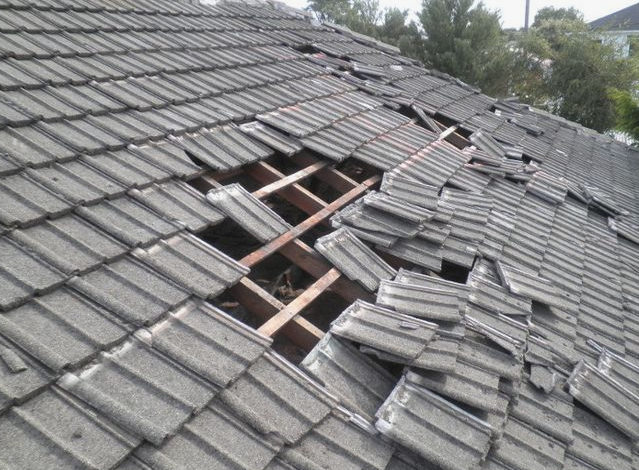
Determining whether a roof should be repaired or replaced begins with understanding its overall condition. Isolated leaks or localized damage may often be addressed through targeted repairs, particularly when the underlying roofing system remains structurally sound. Replacement becomes more relevant when deterioration is widespread, leaks are recurring, repairs are becoming increasingly frequent, or important components have reached the end of their service life. Significant membrane damage, widespread ponding, compromised insulation, deteriorated decking, or extensive flashing failures may also influence the decision. A professional inspection can help distinguish between repairable problems and conditions that justify a larger investment. Property owners should consider both the current cost of repairs and the likelihood of continuing maintenance expenses when evaluating the available options.
Evaluating the Existing Roofing System
Before selecting a replacement system, contractors should evaluate the existing roof assembly and the conditions beneath the visible surface. This assessment can include the roof membrane, insulation, decking, fasteners, flashing, drainage components, penetrations, and structural areas where accessible. Moisture trapped within insulation can be particularly important because installing a new roofing layer over compromised materials may not address the underlying issue. The condition of the roof deck should also be considered before new materials are installed. A detailed assessment provides a stronger foundation for determining the appropriate scope of work and can help prevent unexpected complications during construction. Understanding why the existing roof failed is equally valuable because correcting drainage, ventilation, installation, or detailing issues may be necessary to achieve better results from the new system.
Choosing the Right Commercial Roofing Material
Commercial properties can use several types of roofing systems, and the best option depends on the building rather than on a universally superior material. Single-ply membranes, modified bitumen, built-up roofing, metal systems, coatings, and other assemblies each have different characteristics related to installation, durability, maintenance, flexibility, and cost. The building’s slope, exposure, rooftop equipment, traffic requirements, drainage design, and expected service life should all influence the selection. Property owners should also consider how easily the chosen system can be maintained and repaired in the future. A qualified roofing professional can compare suitable options according to the property’s specific requirements rather than recommending a system based only on initial purchase price.
Planning the Replacement Project
Successful roof replacement requires careful planning before materials arrive at the property. The project should establish the work area, expected schedule, access requirements, material storage, debris removal, safety procedures, and communication responsibilities. Businesses that operate continuously may need a plan that minimizes disruption to employees, customers, tenants, and deliveries. Weather conditions can also influence scheduling, particularly when roofing work requires dry surfaces or specific installation temperatures. Property owners should receive a clear written scope describing the work to be performed, materials to be installed, preparation requirements, and any expected exclusions. Understanding these details in advance can reduce confusion during construction and provide a useful reference if conditions change after the existing roof is opened.
The Role of Insulation and Energy Performance
Roof replacement provides an opportunity to evaluate the building’s insulation and overall energy performance. Inadequate or deteriorated insulation can affect indoor comfort and increase the workload placed on heating and cooling equipment. Depending on the building’s design and applicable requirements, upgrading insulation during a replacement project may improve thermal performance while addressing deficiencies in the existing assembly. Reflective roofing materials or coatings may also be considered where appropriate, particularly for buildings exposed to substantial solar heat. However, energy performance should be evaluated as part of the entire building system rather than judged solely by the color or surface of the roofing material. A professional assessment can help determine whether insulation improvements or other upgrades make financial and practical sense for the property.
Managing Costs Without Sacrificing Quality
Budget is naturally one of the most important considerations in a major roofing project, but the lowest initial estimate is not always the most economical choice over the roof’s entire service life. Material quality, installation practices, insulation requirements, deck repairs, flashing details, drainage improvements, warranties, maintenance needs, and project complexity can all influence the total investment. Property owners should compare proposals based on the complete scope rather than focusing on one headline price. An unusually low estimate may exclude important preparation work or use assumptions that differ from competing proposals. A transparent contractor should explain what is included and identify potential conditions that could affect the final cost. Looking at expected maintenance and replacement intervals can also provide a more realistic picture of long-term value.
Selecting a Qualified Roofing Contractor
The contractor is one of the most important decisions in a commercial roof replacement project because even high-quality materials can perform poorly when installation is inadequate. Property owners should evaluate a contractor’s experience with comparable commercial buildings, insurance coverage, workforce capabilities, project management procedures, and written agreements. Communication is equally important. The contractor should be willing to explain the proposed roofing system, answer questions about preparation and installation, and establish a clear process for handling unexpected conditions. References from comparable projects can provide additional insight into workmanship and reliability. Before signing an agreement, property owners should understand payment terms, warranty provisions, responsibilities for repairs to underlying components, cleanup procedures, and the expected project schedule.
Preparing for Future Roof Maintenance
A new roof should not be viewed as a maintenance-free asset. Even a newly installed commercial roofing system benefits from regular inspections and prompt attention to developing issues. Drainage components should remain clear, rooftop equipment should be serviced without unnecessary damage to roofing materials, and areas exposed to frequent foot traffic should be monitored. Inspections after severe weather can also help identify problems before they become larger concerns. Keeping accurate records of installation details, materials, repairs, inspections, and warranty information creates a useful maintenance history for future facility managers. Establishing a maintenance program soon after replacement can help protect the investment and provide a better understanding of how the new system is performing over time.
Conclusion
A successful commercial roof replacement project begins with an accurate assessment of the existing system and continues through careful material selection, detailed planning, professional installation, and ongoing maintenance. Property owners should consider more than immediate repair costs when deciding whether replacement is appropriate; long-term performance, energy efficiency, drainage, building use, maintenance requirements, and overall lifecycle value are equally important. Working with a qualified commercial roofing contractor can make the process more organized and help ensure that critical components receive appropriate attention. With thoughtful planning and a focus on quality workmanship, replacing an aging commercial roof can provide reliable protection and establish a stronger foundation for the property’s future.