
Watching a toddler take their first wobbly steps feels magical. But what happens when those wobbles never smooth out? Growing feet shape balance, posture and coordination long before a child understands any of it.A podiatrist studies these small shifts in advance and spots patterns that affect how kids run, jump and play for years. Catching them early often saves families from bigger complications later.
As children grow, their feet go through rapid changes that influence the way they move and develop. While some walking patterns naturally improve with age, others may indicate underlying issues that benefit from professional evaluation. Regular foot assessments allow podiatrists to monitor a child’s development, identify concerns such as flat feet, toe walking, or uneven gait, and recommend appropriate care when needed.
Early intervention can support healthy movement, reduce unnecessary strain on muscles and joints, and help children participate comfortably in sports, school activities, and everyday play. Parents may not always notice subtle changes in the way their child walks, making routine check-ups a valuable part of preventive healthcare. Giving growing feet the attention they need today helps build a stronger foundation for confident movement, better posture, and long-term foot health.
Why Early Foot Development Matters
A child’s feet are made mostly of cartilage in the early years, so they’re still shifting and molding constantly. Shoes, flooring, body weight and genetics all play a role in how those bones eventually harden into their permanent shape. Skip over odd walking habits during this stretch, and minor quirks can turn into structural issues that follow a child straight into adulthood.
Poor walking mechanics don’t usually announce themselves. They show up quietly, a foot that turns in slightly, a heel that strikes unevenly and a hip that rotates just a bit off. These small compensations tend to go unnoticed until a child starts complaining of pain or gets tired faster than their friends during regular play. A trained eye catches these patterns long before they become permanent habits.
Signs Parents Often Notice
Walking irregularities rarely show up overnight. They build gradually, and parents usually spot things like-
- Toes pointing inward or outward while walking.
- Frequent tripping or clumsiness that seems out of the ordinary.
- Complaints of achy or tired legs after short walks.
- Shoes wearing down unevenly on one side.
- Avoid running or active games with other kids.
None of these leads to a serious issue on its own. But a pattern that keeps repeating is worth a closer look.
How A Podiatrist Evaluates Growing Feet
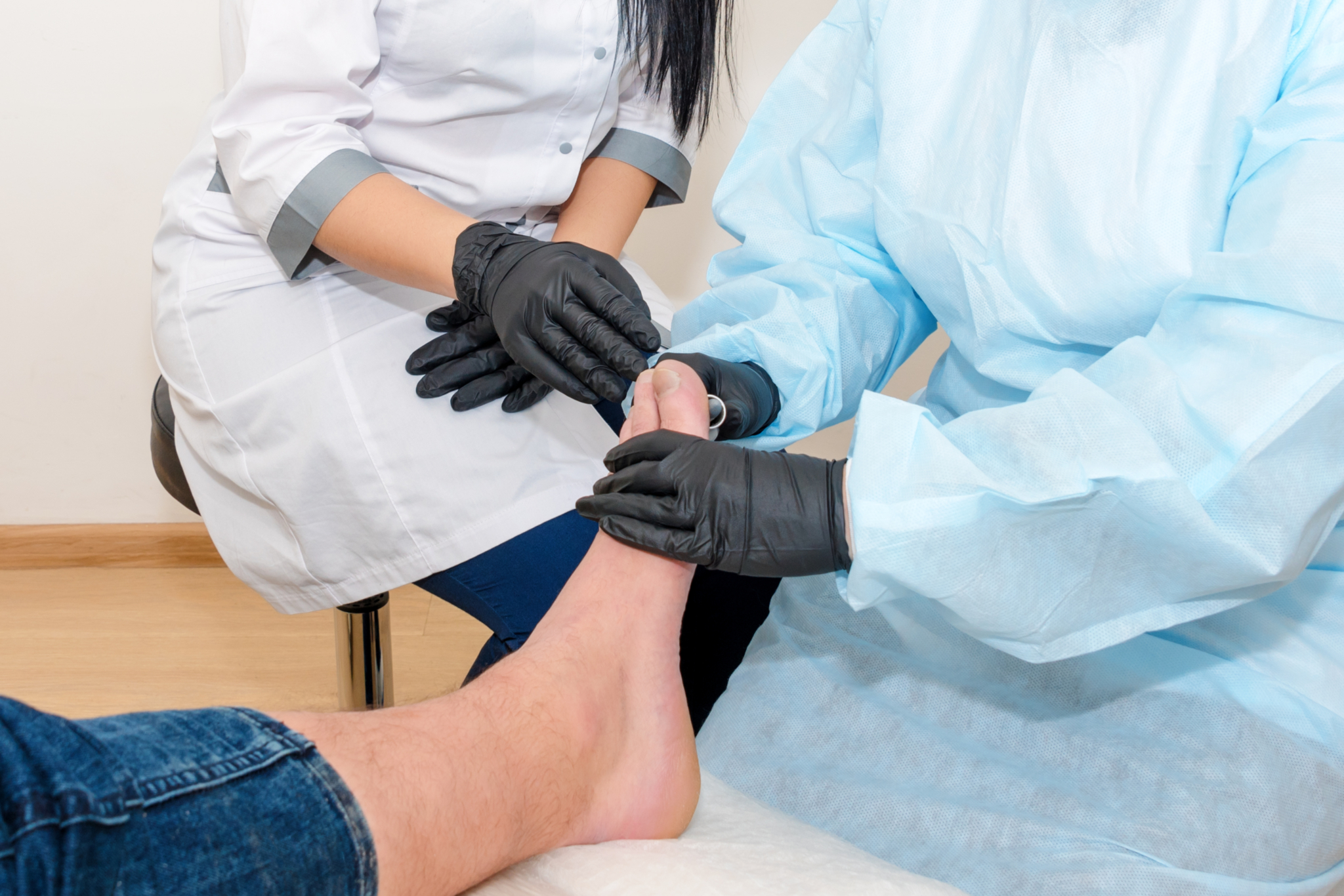
During a visit, a podiatrist checks a child’s stance, stride, arch formation and joint flexibility. Most will ask the child to walk barefoot across the room so they can watch for symmetry and balance in real movement, not just in a static checkup. Follow-up visits track whether things are moving in a healthier direction and give parents more information than guesswork to go on.
Treatment plans rarely start with anything drastic. Depending on what the test shows, a specialist might recommend-
- Custom orthotics to support arch development.
- Stretching exercises aimed at tight calf muscles.
- Footwear adjustments suited to the child’s actual foot shape.
- Short check-in visits every few months to monitor progress.
If a parent notices ongoing discomfort or a gait that isn’t improving on its own, searching for a podiatrist near me is usually the first practical move.
Signals That Shouldn’t Be Ignored
Occasional stumbles are just part of learning to walk. But certain patterns tend not to resolve on their own, including-
- Toe walking that continues past age three.
- Pain that gets in the way of normal activity.
- A noticeable difference between the left and right foot.
- Flat feet with no arch showing by around age five.
Catching these early keeps small quirks from turning into bigger mobility struggles down the road.
Family walks, playground time, even a simple game of hopscotch give growing feet the kind of varied movement they need. Too much screen time and sitting can limit that natural strengthening, so taking out dedicated active time each day genuinely makes a difference.
Conclusion
Healthy walking patterns give kids more than good posture. They build the confidence to run and play without holding back. A professional Foot Assessment like Fabulous Foot Care can spot minor problems that could escalate to major issues if left unchecked. This ensures that the child will have better foot movement in the future. Regular assessments also help monitor how a child’s feet develop as they grow, allowing any changes to be addressed at the right time. With proper guidance and early care, children can enjoy greater comfort, improved mobility, and the freedom to stay active throughout their daily lives.
As children continue to grow, their feet experience many changes that can influence their overall movement and physical development. Paying attention to walking habits, foot alignment, and comfort levels can help parents understand their child’s needs better. Early support can also encourage healthy posture, balance, and coordination during important growth stages.