
Laparoscopic Surgery in Islamabad: Your Complete Guide
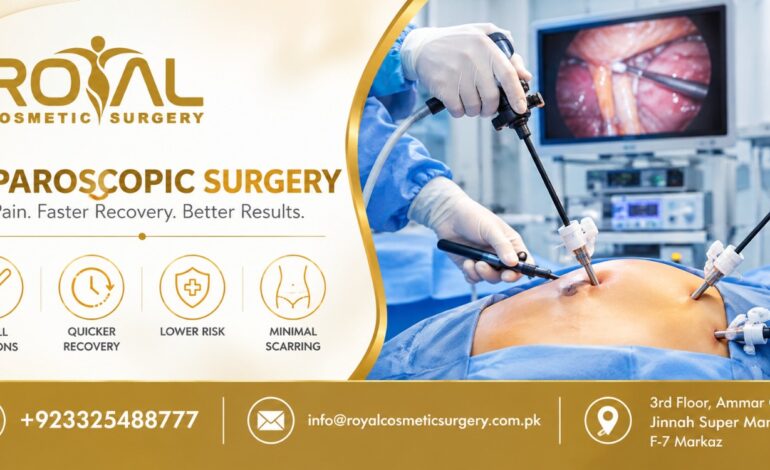
Laparoscopic surgery in Islamabad is a minimally invasive approach used for many abdominal and gastrointestinal procedures. Unlike traditional open surgery, laparoscopic techniques usually involve several small incisions instead of one larger incision. A surgeon inserts a laparoscope, a thin instrument with a camera and light, through one of these openings to view the surgical area on a monitor.
This approach can reduce tissue disruption and may support a shorter hospital stay and faster functional recovery in appropriately selected patients. However, laparoscopic surgery is still a surgical procedure and requires careful assessment, anesthesia, monitoring, and postoperative care.
What Is Laparoscopic Surgery?
Laparoscopic surgery is a type of minimally invasive surgery performed through small incision types in the abdomen. The surgeon uses specialized surgical instruments and laparoscope equipment to examine or treat internal structures.
The procedure can involve different laparoscopic techniques depending on the condition being treated. Surgeons may use diagnostic laparoscopy to investigate unexplained abdominal symptoms or perform therapeutic procedures such as gallbladder removal or hernia repair.
Advanced laparoscopic approaches may also incorporate robotic assistance or other specialized equipment in selected cases. The appropriate technique depends on the patient’s condition, surgeon experience, available equipment, and hospital safety protocols.
Common Procedures Performed With Laparoscopic Techniques
Laparoscopy has applications across several areas of abdominal surgery. Common procedures include:
Laparoscopic Gallbladder Surgery
A cholecystectomy procedure removes the gallbladder, commonly because of gallstones or related complications. Laparoscopic gallbladder removal is one of the frequently performed minimally invasive procedures.
Hernia Repair
Laparoscopic hernia repair can address certain abdominal or groin hernias through small incisions. The surgeon places appropriate surgical material to reinforce the weakened area when required.
Diagnostic Laparoscopy
Diagnostic laparoscopy allows the surgeon to inspect abdominal organs when imaging or other tests have not provided enough information. It may help investigate conditions affecting the liver, bowel, reproductive organs, or other abdominal structures.
Bowel Procedures
In selected cases, laparoscopic techniques can support procedures involving the intestine, including bowel resection. These operations require careful identification of anatomical landmarks and precise control of blood vessels and surrounding tissues.
Biopsy and Liver Procedures
Laparoscopic biopsy techniques can allow tissue samples to be collected for further examination. A liver biopsy may be performed when a specialist needs tissue information that imaging or blood tests cannot provide.
The suitability of laparoscopy depends on the specific diagnosis and complexity of the case.
How Does Laparoscopic Surgery Work?
Before surgery, the medical team reviews the patient’s medical history, medications, allergies, previous operations, investigations, and overall health. The surgeon explains the procedure, expected benefits, alternatives, and potential procedure risks as part of informed consent.
During surgery, the patient generally receives general anesthesia. The surgical team creates small openings and introduces the laparoscope and specialized instruments. The abdomen may be gently inflated to create working space and improve visibility.
The surgeon identifies relevant anatomical landmarks before performing the planned procedure. Throughout the operation, the team focuses on bleeding control, fluid management, monitoring patients, and maintaining appropriate intraoperative care.
Once the procedure is complete, the instruments are removed and the incisions are closed.
Anesthesia and Safety During Surgery
Anesthesia techniques vary according to the procedure and the patient’s medical condition. General anesthesia is commonly used for abdominal laparoscopic operations because it allows the patient to remain unconscious and still throughout the procedure.
An anesthetist monitors vital signs such as oxygen levels, blood pressure, heart rate, and breathing. The surgical team follows established safety protocols throughout the operation.
In difficult cases, the team may need to modify the planned surgical technique. Occasionally, a laparoscopic operation may need conversion to open surgery if continuing through minimally invasive access would compromise patient safety.
Laparoscopic Surgery Cost in Islamabad
The laparoscopic surgery cost in Islamabad varies considerably because laparoscopy covers many different procedures. The final cost can depend on:
- Type and complexity of surgery
- Surgeon experience
- Hospital and operating-room charges
- Anesthesia fees
- Diagnostic tests
- Surgical instruments and equipment
- Medication and postoperative care
- Length of hospital stay
- Whether emergency surgery is required
- Additional procedures performed during the operation
For this reason, there is no single cost of surgery that applies to every laparoscopic procedure. A patient should request a detailed estimate after the surgeon determines the exact treatment plan. Health insurance coverage can also vary depending on the procedure and individual policy.
Recovery Time After Laparoscopic Surgery
Recovery time depends on the procedure, general health, age, and whether complications occur. Many patients experience less postoperative discomfort and can return to normal activities sooner than after comparable open procedures, although recovery is not identical for everyone.
Early postoperative care may involve pain management, wound monitoring, gradual movement, appropriate nutrition, and observation for potential complications.
The medical team provides discharge planning based on the patient’s condition. Instructions may cover wound care, medication, physical activity, diet, warning signs, and follow-up appointments.
During follow-up care, the surgeon assesses the healing process and confirms whether the patient can gradually resume normal activities.
Risks and Possible Complications
Although laparoscopic surgery is minimally invasive, it still carries surgical risks. Possible complications include bleeding, infection, blood clots, injury to nearby organs, anesthesia-related reactions, and problems associated with the specific procedure.
Complications management begins with careful patient selection, appropriate surgical planning, monitoring, and prompt recognition of warning signs.
Factors such as previous abdominal surgery, significant medical conditions, unusual anatomy, severe infection, or emergency presentation can make certain cases more challenging.
Patients should seek medical attention if they develop persistent fever, worsening abdominal pain, significant bleeding, breathing difficulties, repeated vomiting, or other concerning symptoms after surgery.
Specialized Laparoscopic Procedures
Not every procedure described as “endoscopic” or “laparoscopic” involves the same technique. For example, endoscopic spine surgery in Islamabad is a minimally invasive spinal procedure and differs substantially from abdominal laparoscopy.
Similarly, bariatric surgery uses specialized laparoscopic techniques for weight-management procedures. Fertility-related operations may also use laparoscopy in selected cases, where preserving reproductive structures and considering fertility preservation can influence surgical planning.
The procedure should therefore be selected according to the underlying medical problem rather than simply choosing the least invasive-sounding technique.
Choosing a Laparoscopic Surgeon in Islamabad
When searching for a laparoscopic surgeon in Islamabad, patients should look beyond promotional claims and consider relevant surgical training, experience with the required procedure, hospital facilities, anesthesia support, and postoperative follow-up.
Someone searching for a female laparoscopic surgeon in Islamabad may also consider the surgeon’s experience with the particular procedure and communication style. Similarly, searches for a laparoscopic surgeon in Rawalpindi Islamabad should lead patients to verify credentials and the actual location where surgery is performed.
Rather than relying solely on phrases such as “best female laparoscopic surgeon in Islamabad,” patients can ask practical questions about qualifications, experience with the planned operation, expected recovery, possible complications, and alternative treatments.
Why Proper Surgical Planning Matters
Successful laparoscopic surgery involves more than the surgeon’s technique. A multidisciplinary team may include surgeons, anesthetists, nurses, technicians, and other specialists when required.
Patient education, medical history review, informed consent, appropriate equipment, intraoperative monitoring, and structured postoperative care all contribute to safer treatment.
Research studies and clinical outcomes generally evaluate laparoscopic procedures according to specific conditions, so results from one type of surgery should not automatically be applied to another.
Royal Cosmetic Surgery provides a setting where patients can discuss surgical options with a medical team, but the suitability of laparoscopic treatment should always depend on an individualized clinical assessment.
Final Thoughts
Laparoscopic surgery offers a minimally invasive option for many abdominal and gastrointestinal conditions. Small incisions, specialized instruments, camera-assisted visualization, and structured recovery protocols can provide important benefits for appropriately selected patients.
However, laparoscopic surgery is not automatically suitable for every condition or every patient. A proper consultation helps determine the appropriate surgical technique, anesthesia plan, expected recovery time, potential risks, and overall treatment cost. An informed decision should always consider both the potential benefits and the individual patient’s medical circumstances.

