Men’s Capsule Wardrobe Checklist: Build Yours in 7 Steps
Introduction
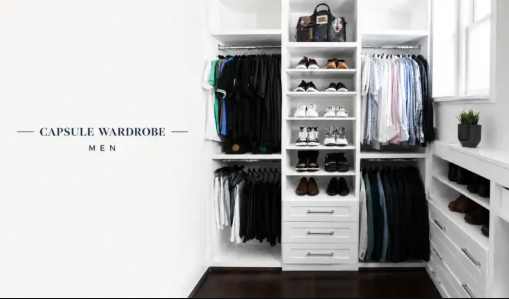
Getting dressed shouldn’t feel like a daily negotiation with your closet. That’s really the whole point behind a capsule wardrobe men actually want to wear — a tight, deliberate lineup of clothes that all work together, so you’re never standing there at 7 a.m. wondering what goes with what.
This isn’t about owning less for the sake of it. It’s about owning fewer things that actually earn their keep. Below is a practical, no-nonsense checklist — seven steps you can work through this weekend — for building a wardrobe that covers your whole week without the clutter.
Step 1: Take Stock of What You Already Own
Before buying anything, pull everything out of your closet and drawers. Seriously, everything. Lay it on the bed. You’ll probably find three things: clothes you love and wear constantly, clothes you forgot you owned, and clothes that don’t fit or flatter you anymore. This audit is tedious, sure, but it’s the only honest starting point. You can’t build a smarter wardrobe until you know exactly what you’re working with — and what’s quietly taking up space for no reason.
Sort into three piles: keep, donate, and maybe. Be ruthless with the maybe pile — if you haven’t worn something in a year, it’s probably not part of your future either.
Step 2: Define Your Lifestyle, Not Someone Else’s
A lot of style guides push the same rigid list — two suits, three dress shirts, a blazer — regardless of whether you actually need any of that.
If you work from home in jeans five days a week, a tailored suit isn’t your foundation piece; a good pair of chinos is. Look honestly at how your week actually breaks down: office days, gym days, casual weekends, the occasional event. Your wardrobe should mirror that split, not some generic template built for a different job or climate.
Step 3: Choose a Base Color Palette
Pick two or three neutral base colors — navy, gray, olive, black — and let everything else build around them. This is the single biggest trick to making separates mix-and-match effortlessly.
When your shirts, pants, and jackets share a color logic, almost any combination looks intentional rather than accidental. Add one or two accent colors if you want personality, but keep the core palette disciplined. This is where most guys overspend: buying pieces that look great alone but clash with everything else they own.
Step 4: Prioritize Fabric and Fit Over Trend
Trends fade fast; fit and fabric quality don’t. A well-fitted oxford shirt or a solid pair of dark denim will outlast almost anything chasing this season’s look. Focus your budget on fabrics that hold their shape — wool blends, heavier cotton, quality denim — rather than cheaper pieces you’ll replace in six months. Fit matters even more than fabric, honestly. A $40 shirt tailored to your body beats a $200 shirt that’s boxy or too tight, every single time.
Step 5: Build Around Ten to Fifteen Core Pieces
You don’t need forty shirts. A working capsule usually runs somewhere between ten and fifteen tops, four or five bottoms, a couple of layering pieces, and two to three pairs of shoes. That’s genuinely enough to produce dozens of outfit combinations if the pieces are chosen with the palette rule in mind.
Think: white tee, chambray shirt, one knit sweater, dark jeans, chinos, a versatile jacket, and shoes that go with all of it. Quantity isn’t the goal — coverage is.
Step 6: Fill the Gaps, Don’t Overbuy
Once your audit and palette are set, make a short shopping list of what’s actually missing — not what looks appealing on a mannequin. Buy one thing at a time if you have to.
Resist the urge to grab a “just in case” item that doesn’t fit your color scheme or lifestyle from Step 2. Every new purchase should answer a real question: does this multiply my outfit options, or does it just sit next to things it doesn’t match?
Step 7: Maintain and Rotate Seasonally
A capsule wardrobe isn’t static — it shifts slightly with the seasons and with your life. Swap heavier knits and jackets in as the weather turns, and store the lighter pieces rather than cramming everything into one closet year-round.
Revisit your capsule every six months: get rid of anything worn out, and reassess whether your lifestyle has changed enough to warrant new core pieces. Sites like Capsuleewardrobe.com are worth bookmarking if you want a running reference while you refine yours over time.
FAQs
How many items should a men’s capsule wardrobe have?
Most functional capsules land between 25 and 35 pieces total, including shoes and outerwear — enough variety without excess.
Is a capsule wardrobe expensive to start?
Not necessarily. You can build one gradually by auditing what you own first and only buying to fill genuine gaps, rather than replacing everything at once.
Do capsule wardrobes work for formal jobs?
Yes — the same principles apply, just built around tailored pieces, dress shirts, and a tighter neutral palette instead of casualwear.
How often should I update my capsule?
A light seasonal check every few months is usually enough, with a fuller review once a year.
Conclusion
Building a capsule wardrobe isn’t a weekend fashion project — it’s a shift in how you think about getting dressed at all. Start with an honest audit, commit to a color palette that actually works together, and buy with intention instead of impulse. Do that, and you’ll end up with a closet that’s smaller, sharper, and genuinely easier to live with than the one you started with.