Solar Panel Removal for Roof Replacement: What Dallas Homeowners Need to Know
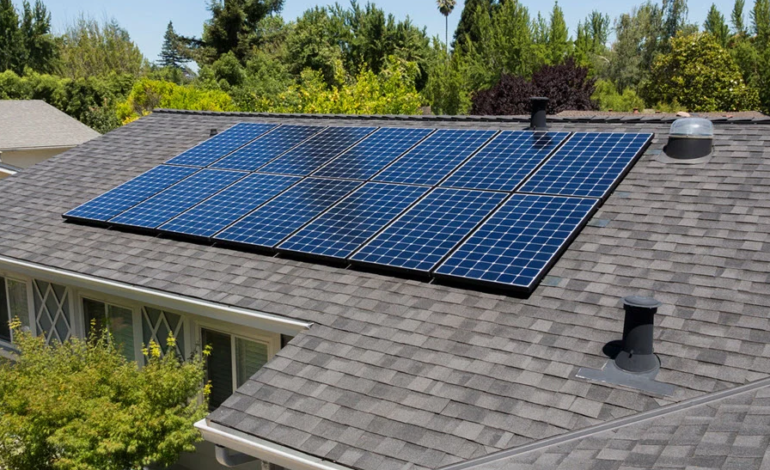
A roof replacement becomes more involved when solar panels are installed on the property. Before roofing professionals can safely remove old shingles, repair decking, replace underlayment, or install a new roofing system, the solar array may need to be temporarily removed. Solar panel removal for roof replacement requires more than taking panels off mounting brackets. The process involves electrical safety, careful equipment handling, documentation, roof access, and coordination between solar and roofing professionals. Proper planning helps protect both the solar investment and the newly installed roof while reducing unnecessary delays.
For homeowners, timing is one of the most important considerations. Solar panels can remain productive for many years, while roofs eventually require maintenance or replacement because of age, weather exposure, or structural concerns. When these two major property systems overlap, homeowners need a clear plan for removing, storing, and reinstalling the solar equipment. Understanding solar panel removal for roof replacement allows property owners to ask better questions, coordinate contractors effectively, and avoid treating a specialized solar project as ordinary roofing work.
Why Solar Panels Usually Need to Be Removed Before Roof Replacement
Solar panels and their mounting equipment occupy valuable working space on the roof, which can prevent roofing crews from accessing the surface underneath and around the array. Depending on the roof design and the scope of the replacement, leaving the panels in place may make it difficult or impossible to inspect the decking, remove old materials, install new roofing components, or properly address areas around mounting points. Temporary removal gives the roofing crew the access needed to complete its work correctly. It also provides an opportunity to inspect the condition of mounting hardware and roof penetrations before the solar system is reinstalled. Attempting to work around a permanent solar array can create unnecessary complications, particularly when extensive sections of the roof need replacement.
What Happens During Solar Panel Removal
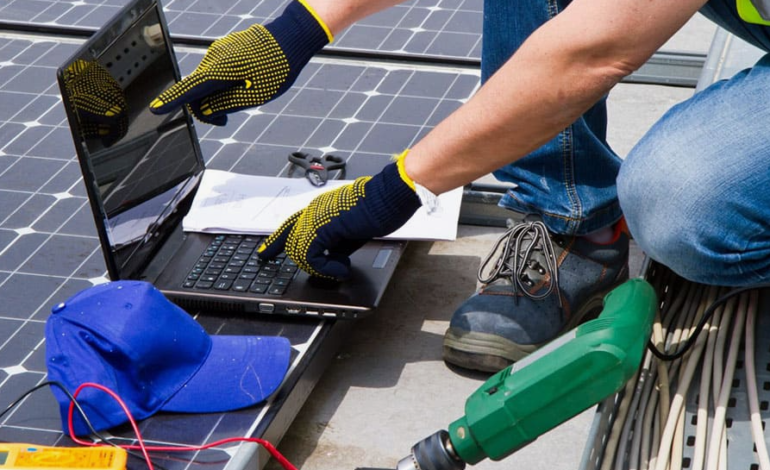
A professional removal begins with an assessment of the existing solar system and the roofing project. The technician can document the panel layout, equipment locations, wiring configuration, and relevant mounting components before beginning the removal process. Electrical equipment must be handled according to appropriate safety procedures, and the panels should be removed without placing unnecessary stress on their frames, connectors, or cables. Once detached, the equipment needs to be protected from accidental impact and unsuitable storage conditions while the roofing work takes place. Small components such as clamps, fasteners, and mounting hardware should also be organized carefully because losing or mixing parts can complicate reinstallation. Good documentation at this stage makes it easier to reconstruct the system correctly after the new roof is completed.
Coordinating Solar and Roofing Contractors
Communication between the solar contractor and roofing contractor can have a major effect on the overall project. The removal should be scheduled before roofing work begins, while reinstallation should wait until the roofing crew confirms that the relevant sections of the roof are complete and ready for solar equipment. Homeowners should make sure both contractors understand the project schedule and responsibilities. Questions about roof penetrations, flashing, mounting locations, damaged decking, and replacement materials should be discussed before work begins rather than discovered halfway through construction. Effective coordination also helps prevent situations in which solar equipment is removed too early or a roofing project is completed while the solar contractor is unavailable to reinstall the system.
Protecting Solar Equipment During Roof Work
Once panels have been removed, proper storage becomes an important part of the project. Solar modules are designed to operate outdoors, but that does not mean they should be handled casually during construction. Panels can be vulnerable to impact, scratches, improper stacking, and damage to electrical connections. Inverters, optimizers, cables, and mounting components also require appropriate handling. A professional team should establish a secure storage area where removed equipment is protected from construction traffic and accidental damage. Keeping components organized is equally important because the original system configuration may depend on specific wiring arrangements and mounting hardware. Careful equipment management can make the eventual reinstallation more efficient and reduce the risk of avoidable replacement costs.
Inspecting the Roof Before Solar Reinstallation
Removing the solar array creates an opportunity to examine roof areas that were previously covered by panels and mounting equipment. After the old roofing material is removed, the roofing contractor can address problems such as deteriorated decking, damaged underlayment, or other conditions discovered during the replacement. Mounting locations should also be considered during the new roof installation so that the solar system can be reinstalled appropriately. This coordination is particularly important around roof penetrations because the roofing system needs to provide reliable protection against water intrusion. Homeowners should discuss how existing solar mounting locations will be handled and whether any components need adjustment before the panels return to the roof.
Reinstalling and Testing the Solar System
Once the new roof is complete and ready for solar equipment, the reinstallation process can begin. Panels should be returned to their planned positions using suitable mounting hardware and appropriate installation practices. Wiring should be routed and secured properly, while connectors and other electrical components should be inspected before the system is energized. A professional reinstallation should include checks of the physical mounting system as well as electrical operation. Depending on the system configuration, technicians may also verify inverter operation, monitoring communication, and energy production. Simply seeing the panels back on the roof does not confirm that the system is functioning correctly. Final testing provides homeowners with greater confidence that the solar array has been restored properly after the roofing project.
How Homeowners Can Prepare for the Project
Homeowners can simplify the process by gathering any available solar installation documents before contractors arrive. System specifications, equipment records, previous service information, and monitoring details may help technicians understand the existing installation. It is also useful to photograph the array before removal, particularly if the system has visible components or wiring arrangements that will need to be documented. Customers should ask how long the removal is expected to take, where the equipment will be stored, when the roof will be ready for reinstallation, and how the solar system will be tested afterward. Clear expectations about scheduling and responsibilities can help avoid confusion when several contractors are working on the same property.
Choosing a Qualified Solar Professional
The contractor handling the solar portion of a roof replacement should have appropriate experience with existing photovoltaic systems rather than treating the work as a basic construction task. Important considerations include electrical safety practices, equipment handling procedures, familiarity with different mounting systems, communication with roofing contractors, and the ability to test the array after reinstallation. Homeowners should also understand what services are included in the quoted work and whether additional repairs could affect the project timeline. Choosing a qualified professional can help protect the solar equipment while ensuring that the system is returned to service correctly after the roof replacement.
Conclusion
Solar panel removal for roof replacement is an important step when a home with an existing photovoltaic system requires major roofing work. Successful projects depend on careful documentation, safe electrical procedures, secure equipment storage, coordination between contractors, proper roof preparation, and thorough solar testing after reinstallation. Homeowners should plan the solar removal before roofing begins and confirm that the roof is fully prepared before allowing the array to be restored. By working with experienced professionals and establishing a clear project schedule, property owners can replace an aging or damaged roof while protecting their solar investment and preparing the system for continued operation for years to come.