
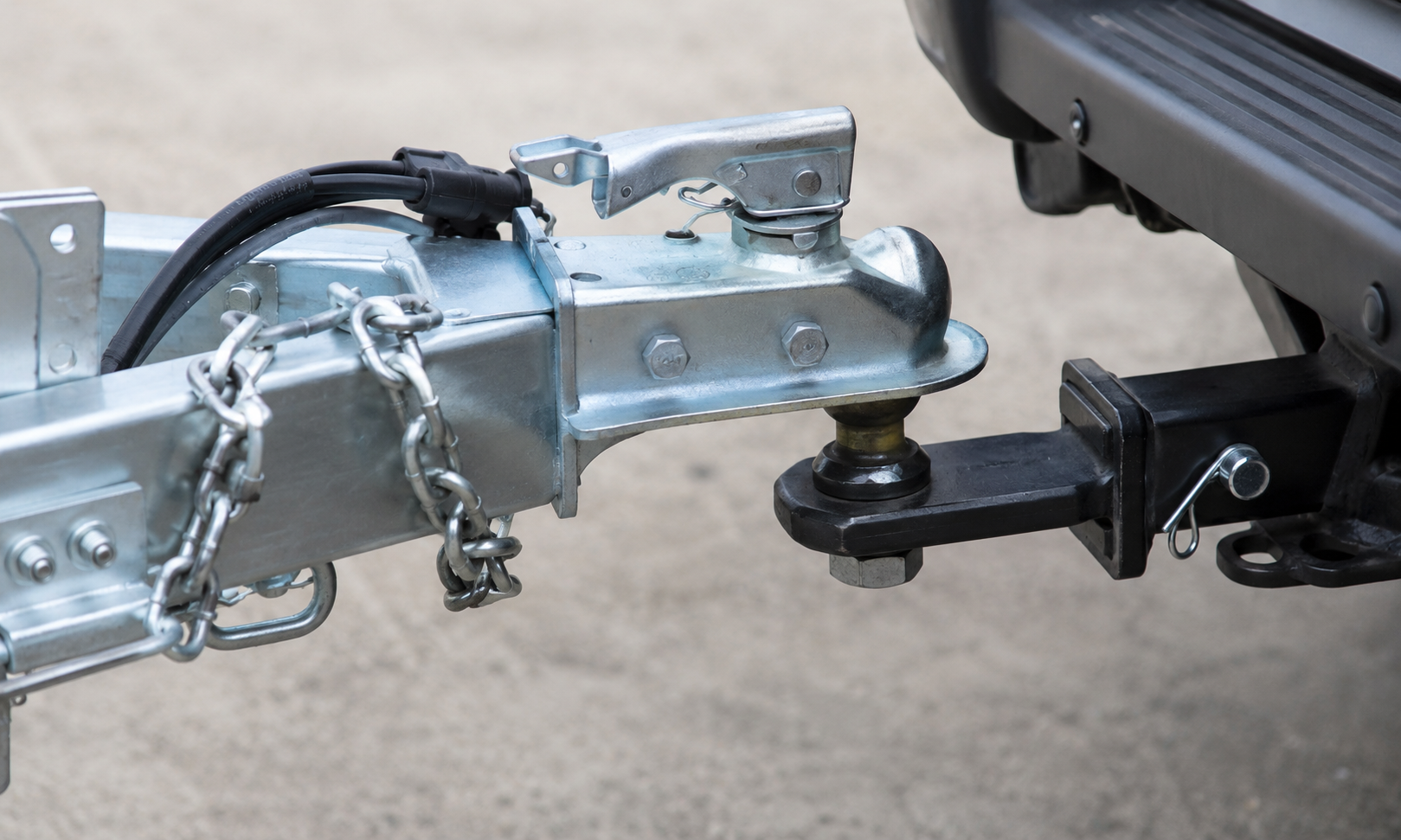
Going on a camping trip is exciting. But before you hit the road, there is one thing you must get right — your camper trailer hitch. A poorly coupled trailer is one of the biggest causes of road accidents involving caravans. A few simple checks can make all the difference between a safe trip and a dangerous one.
This guide covers the most important safety tips every camper owner should follow when setting up their trailer coupling.
Why Trailer Coupling Safety Matters
Many people spend hours packing their caravan but only a few minutes connecting it to their vehicle. That is a mistake.
A loose or incorrect camper trailer coupling can cause your trailer to sway, detach, or jackknife on the road. This puts you, your passengers, and other drivers at serious risk. Whether you are driving on highways or rough tracks, a secure connection is non-negotiable.
1. Choose the Right Hitch for Your Trailer
Not every hitch works with every trailer. Before anything else, make sure your camper trailer hitch is rated for the weight of your fully loaded caravan.
Check two key ratings:
- Gross Trailer Weight (GTW): The total weight of the trailer and everything in it.
- Tongue Weight: The downward force the trailer puts on the hitch ball.
Using an undersized hitch is dangerous. Always match the hitch rating to your trailer’s specifications.
2. Inspect the Coupling Head Before Every Trip
The coupling head is the part that connects directly to the hitch ball on your tow vehicle. Over time, it can wear out or develop play.
Before every trip, check the following:
- Look for cracks or corrosion on the coupling head.
- Open and close the latch to make sure it clicks firmly into place.
- Check for any wobble or looseness between the coupling and the ball.
If your trailer couplings show signs of wear, replace them before you travel. Do not delay this repair.
3. Match the Ball Size to the Coupling
This is a simple but commonly overlooked step. The hitch ball and the coupling must be the same size.
Common sizes are 1-7/8 inch, 2 inch, and 2-5/16 inch. Using a ball that is too small creates dangerous play. Using one that is too large means the coupling will not close properly.
Always double-check the ball size matches the coupling before hooking up.
4. Always Use Safety Chains
Safety chains are your backup if the coupling fails. They keep the trailer connected to your vehicle even if the hitch ball detaches.
Here is how to attach them correctly:
- Cross the chains under the coupling in an X pattern.
- Leave just enough slack for turns, but not so much that they drag on the ground.
- Attach them to solid mounting points on the tow vehicle — never to plastic or flimsy brackets.
Safety chains are a legal requirement in most places. Never skip them.
5. Check the Coupling Lock Every Time
After you have attached the coupling to the ball, always test the lock. Pull the trailer forward and backward to make sure the coupling does not pop off.
Many trailer couplings have a secondary lock or pin. Use it every time. This adds an extra layer of protection against accidental uncoupling.
6. Special Tips for Off-Road Setups
If you take your caravan off the beaten track, standard hitches may not be enough. An off road caravan hitch is designed to handle the extra stress of rough terrain.
Off-road hitches typically offer:
- Greater articulation to handle uneven ground.
- Stronger materials that resist impact and vibration.
- Better protection against dust and mud.
When driving on corrugated roads, river crossings, or rocky tracks, these features matter a lot. An off road caravan hitch reduces the strain on both the coupling and the tow vehicle’s chassis.
If you regularly go off-road, investing in a purpose-built off-road coupling is one of the smartest upgrades you can make.
7. Connect All Electrical Plugs Correctly
Your trailer’s lights, brakes, and indicators depend on a proper electrical connection. A faulty plug can mean your brake lights do not work — and that is a serious safety hazard.
Before leaving:
- Plug in the electrical connector firmly.
- Test all trailer lights — indicators, brake lights, and running lights.
- Check the brake controller is responding if you have electric brakes.
Take two minutes to walk around the trailer and check every light is working.
8. Adjust the Tow Ball Height
The trailer should sit level when it is hitched. If the front of the trailer is too high or too low, it affects handling and puts stress on the coupling.
Use a spirit level or simply eyeball the trailer from the side. The drawbar should be roughly parallel to the ground. If it is not, adjust your hitch height or use a drop/rise ball mount to get the right angle.
A level trailer also means better weight distribution and a smoother tow.
9. Perform a Final Walk-Around Check
Before you drive away, do a full walk-around. This takes less than five minutes and can prevent a major incident.
Check the following:
- Coupling is locked and the secondary pin is in place.
- Safety chains are attached and crossed correctly.
- All lights are working.
- Jockey wheel is fully retracted and secured.
- Handbrake on the trailer is released.
- Load inside the caravan is secured so nothing shifts during travel.
Make this walk-around a habit on every trip, every time.
10. Maintain Your Coupling Regularly
Trailer couplings need maintenance just like any other mechanical part. Neglecting them shortens their life and increases the risk of failure.
Every few months, do the following:
- Clean the coupling head and remove any dirt or rust.
- Grease the hitch ball to reduce wear.
- Check all bolts and nuts for tightness.
- Inspect the coupling for cracks or deformation.
If you tow frequently or go off-road often, increase the frequency of these checks. A well-maintained camper trailer coupling will last for years and perform reliably on every trip.
Final Thoughts
Safe towing starts with a secure connection. Whether you are heading to a beachside campsite or a remote bush track, your camper trailer hitch and trailer couplings are the most critical link between your vehicle and your home on wheels.
Take the time to choose the right equipment, inspect it carefully, and maintain it regularly. If you go off-road, upgrade to an off road caravan hitch built for the demands of rough terrain.
A few extra minutes of preparation before each trip gives you peace of mind on the road — and keeps everyone around you safer too.