
Truck Wash Degreaser Errors That Could Damage Your Vehicle
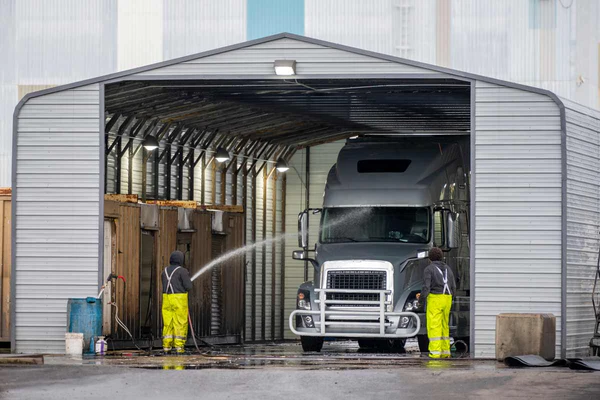
A clean commercial truck conveys professionalism, protects against corrosion, and helps extend the life of the truck. Degreaser products used in a truck wash are primarily responsible for eliminating oil, grease, road grime, fuel residue, and dirt from the cumulative build-up that occurs on a heavy-duty vehicle. Unfortunately, many drivers and fleet owners make errors when applying these degreasing products without realizing it. Although mistakenly using a degreaser or misapplying it may not seem like an issue, the repeated mistakes eventually become costly repairs and diminished performance of the truck. By identifying common errors with degreasers, you can protect your investment and keep your truck appearing and functioning well for many years after you purchase it.
Using the Wrong Type of Degreaser
Not all truck wash degreasers will perform similarly on various surfaces and types of vehicles. Some are industrial-strength and are meant for use on heavy machinery, while others are made specifically for painted surfaces of trucks. Applying an overly aggressive degreaser to sensitive surfaces can strip away the protective coating and damage the finish of the painted surface. A common misconception among truck owners is that all degreasers will operate similarly. In fact, chemicals in some degreasers will cause adverse chemical reactions toward a chrome-plated surface, an aluminum surface, plastic trim, and rubber weather strips. Selecting a degreaser without regard to the manufacturer’s recommendations can result in discoloration and failures in the performance of the surface.
Allowing Degreaser to Dry on the Surface
A common mistake when cleaning is not letting the degreaser stay on too long or dry completely. Degreasers are made to break down grease and dirt for a specific amount of time. Once they are dry, they can leave behind chemical stains, streaks, or residue, which can be difficult to remove. It is especially true in hot weather, where the evaporation of the product is accelerated by sunlight. The dried chemical residue can weaken the paint layer and create uneven patches on the vehicle body. To avoid these problems, always rinse the truck thoroughly before the product dries and try to work in shady places when possible.
Using Excessive Concentration
Many people believe that using stronger solutions will provide them with better cleaning results. However, if you use a degreaser without properly diluting it, you could inflict serious damage to your truck’s surfaces. Concentrated chemicals can corrode metal parts, cause paint to fade, and dry out rubber parts after a period of time. That’s why dilution instructions are provided by the manufacturer: to provide effective cleaning without damaging the vehicle. Therefore, if you use a degreaser in the wrong concentration, you not only risk damaging your truck, but you also waste chemicals and incur unnecessary operating costs. Proper dilution will provide a balance between the effectiveness of the cleaning process and surface protection.
Ignoring Sensitive Vehicle Components
You shouldn’t just spray a truck wash degreaser over the truck without care. Sensitive components like the electrical system, sensors, air filter, exposed wiring, and engine connections could be damaged by the harsh chemicals from the truck wash degreaser. Many drivers only care about getting grease out of the engine bay and forget that they need to protect the electrical components as well. The combination of moisture and chemical cleaners could lead to faulty electrical systems, corrosion, or failures in the sensors. Covering sensitive parts before degreasing and using low-pressure washes around sensitive components can help to avoid costly repairs.
Scrubbing with Abrasive Materials
It is also crucial to know that even when using a quality truck wash degreaser, what you use to apply the degreaser with will also determine how well the job is done. Using hard brushes, steel wool, or abrasives can cause scratches in the paint surface or even damage the protective coating on the paint. If the protective layer of paint has been compromised, the truck will be more prone to rust and oxidation. If you use aggressive scrubbing methods, there is also the possibility of leaving swirl marks in the paint surface of the truck to reduce its appearance. To effectively remove difficult dirt and grime, it is best to use soft microfiber cloths, non-abrasive brushes, or foam sponges to clean vehicles. Gentle cleaning methods will continue to remove dirt and grime from the vehicle while protecting the surface.
Failing to Rinse Thoroughly
Using a truck wash degreaser should be followed by a thorough rinse. Chemicals left on the surface will gradually deteriorate the protective coating and allow for an accumulation of additional dirt. Some degreasers contain strong alkaline or acidic ingredients that continue to react with the surface until they have been thoroughly rinsed off. Insufficient rinsing is particularly problematic in wheel wells, undercarriages, and motor compartments, where chemical residue can exist undetected. Over time, chemical residues can build up and contribute to the corrosion and breakdown of materials. Rinsing the truck with copious amounts of clean water and paying attention to hard-to-reach locations will ensure that no harmful residue remains on the truck. Each truck wash degreaser is made differently and comes with its own set of directions for dilution, drying time, surface compatibility, and personal protective equipment.
Washing Trucks Too Frequently with Harsh Chemicals
It is vital to wash your truck regularly; however, excessive use of aggressive degreasers can be detrimental to the truck. Regular cleaning with strong chemicals can strip the wax protectant, dull the vehicle’s painted surfaces, and weaken the surface level of protection. Trucks that are washed aggressively every few days will experience early fading compared to those that are maintained appropriately. Many fleet operators rely heavily on chemicals to maintain the trucks’ appearance without thinking about the long-term impacts. Consider alternating the use of mild truck soaps with aggressive degreasers based on the level of dirt accumulation when washing the truck, since this will keep the truck’s surface clean and sustainable. Not following product labels and safety instructions is another big mistake.
Quick Recap
Mistakes while cleaning, such as using solutions that are too strong for the finish, not following the proper rinsing technique, lack of rinsing and scrubbing properly, may collectively lead to damaging the paint, metal surfaces, electrical systems, and protective coatings on the truck over time. Learning the most common cleaning mistakes will help truck owners and fleet managers keep their trucks clean and safe.
By following proper procedures when selecting a truck wash degreaser, diluting the product as properly as possible, using protective covers for sensitive components, and using the most gentle cleaning methods whenever possible, you can greatly increase the overall lifespan and the overall good looks of your truck. Maintaining a vehicle’s appearance isn’t all about how it looks; it also preserves performance, longevity, and value to the owner. Contact us!