
Web Development vs Web Design: Understanding the Difference
In today’s digital world, having a professional website is essential for businesses, brands, and individuals. A website acts as a digital identity that helps companies attract customers, showcase products, generate leads, and build trust online. However, many people often confuse two important terms involved in website creation: web design and web development.
Although web design and web development work closely together, they are different areas with different responsibilities. Web design focuses mainly on how a website looks, feels, and interacts with users, while web development focuses on building the functionality, structure, and technical foundation behind the website.
Think of a website like a house. Web design is similar to the architecture, interior design, colors, and overall appearance of the house. Web development is like constructing the foundation, electrical systems, plumbing, and everything that makes the house functional.
A successful website requires both an attractive design and powerful development. Without good design, users may leave because of poor experience. Without strong development, the website may not work properly or provide the features users need.
In this guide, we will explore the key differences between web development and web design, their roles, skills, tools, career opportunities, and how they work together to create modern websites.
What Is Web Design?
Web design refers to the process of planning, creating, and designing the visual appearance and user experience of a website. A web designer focuses on how users interact with a website and ensures that the website looks attractive, professional, and easy to navigate.
The main goal of web design is to create a website that provides a positive user experience. Designers consider factors such as layout, colors, fonts, images, navigation menus, and overall visual hierarchy.
A well-designed website should not only look good but should also help users quickly find information, understand the brand message, and complete desired actions such as purchasing a product, filling out a form, or contacting a business.
For example, when you visit an ecommerce website, the placement of product images, search options, buttons, categories, and checkout pages are all part of web design.
Web designers focus on questions like:
-
Does the website look professional?
-
Is the navigation simple for users?
-
Are important buttons easy to find?
-
Does the design match the brand identity?
-
Is the website mobile-friendly?
Types of Web Design
Web design can be divided into different categories based on the focus and purpose of the website.
User Interface (UI) Design
UI design focuses on the visual elements users interact with, including:
-
Buttons
-
Menus
-
Icons
-
Colors
-
Typography
-
Website layouts
The goal of UI design is to make the website visually appealing and easy to use.
User Experience (UX) Design
UX design focuses on improving the overall experience users have while visiting a website.
UX designers analyze:
-
User behavior
-
Website navigation
-
Customer journey
-
Accessibility
-
Ease of completing tasks
A good UX design ensures visitors can achieve their goals without confusion.
Responsive Web Design
Responsive design ensures websites work properly across different devices, including:
-
Desktop computers
-
Tablets
-
Smartphones
-
Laptops
Since most internet users browse websites through mobile devices, responsive design has become a critical part of modern web design.
What Is Web Development?
Web development is the process of building and maintaining websites using programming languages, frameworks, databases, and technical tools.
While web designers focus on the appearance of a website, web developers focus on making the website functional.
Developers write code that controls how websites operate. They create features such as:
-
Login systems
-
Payment gateways
-
Contact forms
-
Databases
-
Search functionality
-
User accounts
-
Content management systems
Web development ensures that all website components work correctly behind the scenes.
For example, when a customer places an order on an ecommerce website, web development handles:
-
Adding products to the cart
-
Processing payments
-
Managing customer information
-
Updating inventory
-
Sending order confirmations
Types of Web Development
Web development is mainly divided into three categories:
Frontend Development
Frontend development focuses on the part of the website users directly see and interact with.
Frontend developers use technologies such as:
-
HTML
-
CSS
-
JavaScript
-
React
-
Angular
-
Vue.js
They transform website designs into functional web pages.
Responsibilities include:
-
Creating website layouts
-
Improving website speed
-
Making websites responsive
-
Adding interactive features
-
Ensuring browser compatibility
Backend Development
Backend development focuses on the server-side functionality of websites.
Backend developers work on:
-
Servers
-
Databases
-
APIs
-
Security
-
Application logic
Common backend programming languages include:
-
PHP
-
Python
-
Java
-
Node.js
-
Ruby
For example, when a user creates an account on a website, backend development manages account creation, data storage, and authentication.
Full Stack Development
A full-stack developer works on both frontend and backend development.
They understand:
-
Website design implementation
-
Frontend programming
-
Backend systems
-
Databases
-
Server management
Full-stack developers can build complete web applications from start to finish.
Web Design vs Web Development: Key Differences
| Factor | Web Design | Web Development |
|---|---|---|
| Main Focus | Website appearance and user experience | Website functionality and technical structure |
| Primary Goal | Create attractive and user-friendly designs | Build working and scalable websites |
| Main Skills | Creativity, design principles, UX knowledge | Programming, databases, coding |
| Languages Used | Basic HTML, CSS, design tools | HTML, CSS, JavaScript, PHP, Python, Java |
| Tools | Figma, Adobe XD, Photoshop | VS Code, Git, Frameworks, Databases |
| Work Area | Visual elements and layouts | Backend systems and website functionality |
Responsibilities of Web Designers
A web designer handles the creative side of website creation.
Their responsibilities include:
Creating Website Layouts
Designers plan where different elements appear on each page, including:
-
Headers
-
Images
-
Text sections
-
Navigation menus
-
Call-to-action buttons
Designing User Experience
They ensure visitors can easily navigate the website and find information quickly.
Creating Visual Elements
Designers choose:
-
Colors
-
Fonts
-
Images
-
Icons
-
Graphics
to match the brand identity.
Creating Website Prototypes
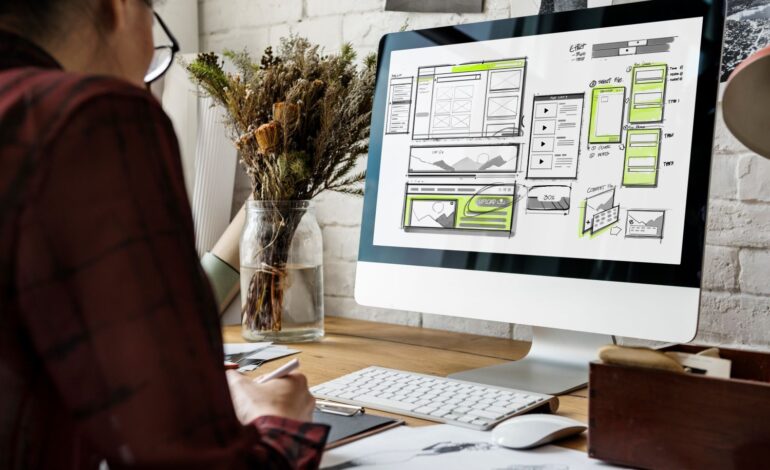
Before development begins, designers often create prototypes and wireframes showing how the final website will look.
Responsibilities of Web Developers
Web developers transform designs into fully functional websites.
Their responsibilities include:
Writing Website Code
Developers use programming languages to create website functionality.
Building Website Features
They create features such as:
-
Forms
-
Search systems
-
User accounts
-
Payment systems
Managing Databases
Developers store and manage website data securely.
Improving Website Performance
Developers optimize:
-
Loading speed
-
Security
-
Scalability
-
Technical performance
Skills Required for Web Design vs Web Development
Skills Required for Web Designers
A successful web designer needs:
-
Creativity
-
Understanding of color theory
-
UX knowledge
-
Typography skills
-
Wireframing skills
-
Knowledge of design tools
Popular design tools include:
-
Figma
-
Adobe XD
-
Sketch
-
Photoshop
Skills Required for Web Developers
Web developers need:
-
Programming knowledge
-
Problem-solving skills
-
Database management skills
-
Debugging abilities
-
Understanding of APIs
Common technologies include:
-
HTML
-
CSS
-
JavaScript
-
React
-
Node.js
-
PHP
-
MySQL
Tools Used by Web Designers and Developers
Web Design Tools
Some popular web design tools include:
-
Figma
-
Adobe Photoshop
-
Adobe Illustrator
-
Sketch
-
Canva
These tools help designers create layouts, prototypes, and visual assets.
Web Development Tools
Developers commonly use:
-
Visual Studio Code
-
GitHub
-
Chrome Developer Tools
-
WordPress
-
Docker
-
Database management systems
These tools help developers write, test, and maintain website code.
Frontend Development: The Connection Between Design and Development
Frontend development acts as a bridge between web design and web development.
Frontend developers take the designs created by UI/UX designers and convert them into interactive websites.
For example:
A designer creates a button design in Figma.
A frontend developer writes code that makes the button:
-
Clickable
-
Responsive
-
Connected to website actions
Frontend development requires both technical knowledge and an understanding of design principles.
Which Is More Important: Web Design or Web Development?
Neither web design nor web development is more important than the other. Both are necessary for creating successful websites.
A website with excellent design but poor development may look attractive but fail technically.
A website with strong development but poor design may work correctly but provide a bad user experience.
Businesses need both:
-
Attractive design to engage visitors
-
Strong development to provide functionality
The combination of both creates websites that are visually appealing, fast, secure, and user-friendly.
Can One Person Handle Both Web Design and Development?
Yes, one person can handle both tasks. These professionals are often called full-stack designers or full-stack developers.
Small businesses and startups often hire professionals who can manage both design and development because it reduces costs and simplifies the process.
However, for larger projects, specialized teams are usually involved:
-
UX designers
-
UI designers
-
Frontend developers
-
Backend developers
-
Database specialists
Each expert focuses on their area of expertise.
Web Designer vs Web Developer Career Opportunities
Both fields offer strong career opportunities.
Web Designer Careers
Common job roles include:
-
UI Designer
-
UX Designer
-
Product Designer
-
Web Designer
Industries hiring designers include:
-
Technology companies
-
Marketing agencies
-
Ecommerce businesses
-
Startups
Web Developer Careers
Common roles include:
-
Frontend Developer
-
Backend Developer
-
Full Stack Developer
-
Software Engineer
Developers are needed in almost every industry because businesses continue to move online.
How Businesses Benefit From Web Design and Development
Businesses need professional websites to compete in the digital marketplace.
Web design helps businesses:
-
Build brand identity
-
Improve customer experience
-
Increase engagement
-
Create trust
Web development helps businesses:
-
Automate processes
-
Manage customer data
-
Sell products online
-
Create custom solutions
When both work together, businesses can create websites that attract visitors and convert them into customers.
Frequently Asked Questions (FAQs)
What is the main difference between web design and web development?
Web design focuses on the appearance and user experience of a website, while web development focuses on coding, functionality, and technical features.
Is web development harder than web design?
Both require different skills. Web development requires programming knowledge, while web design requires creativity and user experience understanding.
Can a web designer become a web developer?
Yes. Many web designers learn programming languages and transition into frontend or full-stack development.
Do web developers need design skills?
Basic design knowledge helps developers create better websites, especially frontend developers.
Which career is better: web designer or web developer?
Both careers have excellent opportunities. The best choice depends on your interests. Creative individuals may prefer design, while people who enjoy coding may prefer development.
Conclusion
Web design and web development are two essential parts of creating modern websites. While web designers focus on making websites visually attractive and easy to use, web developers focus on building the technical systems that make websites work.
A successful website requires a balance between creativity and technology. Great design attracts visitors, while powerful development provides a smooth and reliable experience.
Whether you are a business owner planning a new website or someone interested in starting a career in technology, understanding the difference between web design and web development helps you make better decisions in the digital world.